







Putin, Trump Discuss Iran, Ukraine In Recent Call
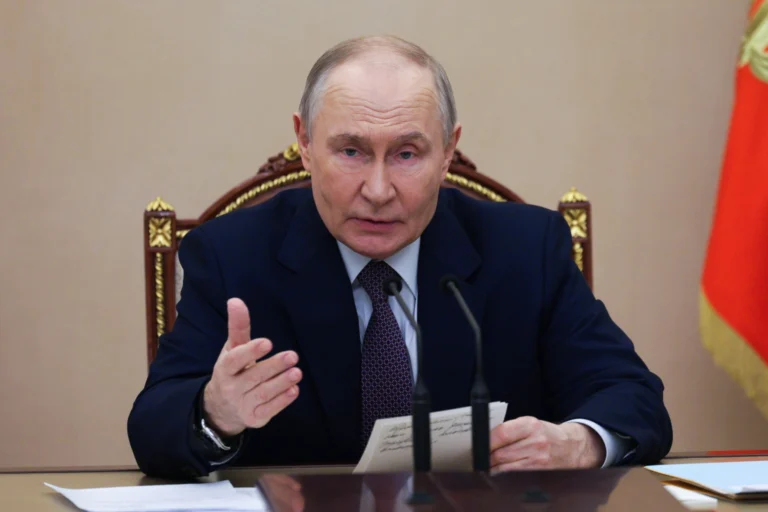
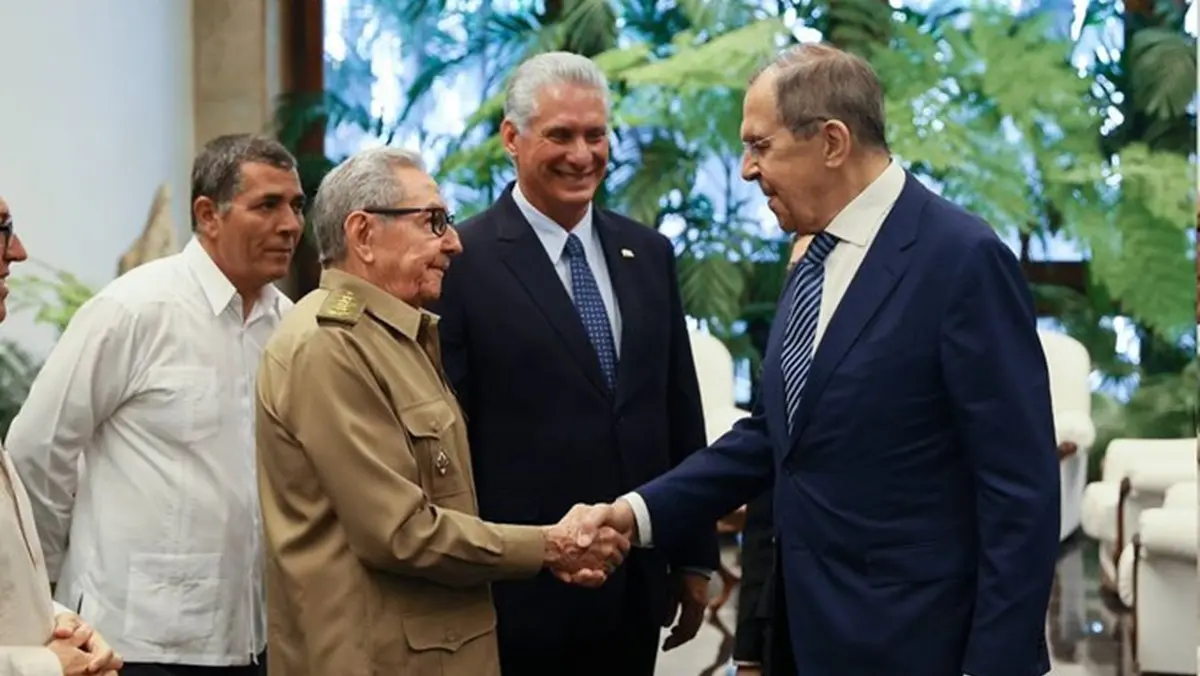
(FILE) Photo: EFE.
March 9, 2026 Hour: 6:29 pm
🔗 Comparte este artículo
Russian President Vladimir Putin held a phone conversation with his U.S. counterpart, Donald Trump, focusing significantly on the ongoing conflict with Iran and bilateral negotiations concerning the Ukrainian settlement.
Russian President Vladimir Putin and U.S. President Donald Trump engaged in a crucial telephone conversation on Monday, March 9, as confirmed by Kremlin Diplomatic Adviser Yuri Ushakov.
RELATED: Putin Supports Iran After Mojtaba Khamenei Chosen As Ayatollah
The call, which took place in the afternoon, marked the first direct contact between the two leaders since December 2025, underscoring the pressing nature of the geopolitical challenges currently facing the world.
“Of course, the focus was on the situation surrounding the conflict with Iran and the trilateral negotiations over the Ukrainian conflict, in which U.S. representatives were involved”, Ushakov informed.
Both leaders dedicated significant attention to these critical issues, alongside the intricate bilateral negotiations aimed at resolving the Ukrainian conflict, in which U.S. representatives are actively participating.
During the conversation, President Putin proactively presented President Trump with several proposals geared towards achieving a swift political-diplomatic resolution to the Iranian war. These initiatives, as detailed by Yuri Ushakov, Kremlin’s international policy adviser, are the direct result of intensive consultations Putin held over the past week.
The Russian diplomat characterized the approximately one-hour exchange as “frank” and “constructive,” a description that suggests a candid and potentially productive exchange of views despite profound disagreements on several international issues.
In response, President Trump offered his own assessment of the unfolding events, particularly within the context of the ongoing U.S.-Israeli operation in the region. This part of the discussion highlighted the divergent perspectives and strategic interests that often define the relationship between Moscow and Washington.
Earlier on Monday, Putin had already expressed Moscow’s “unwavering support” for Tehran following the election of Mojtaba Khamenei as the successor to his father, Ayatollah Ali Khamenei, whose death Putin notably referred to as an assassination. During his prior conversation with President Pezeshkian on last Friday, Putin had explicitly called for an immediate cessation of military actions and deplored the significant civilian casualties resulting from the bombardments in Iran, further emphasizing Russia’s concern for human life and regional stability.
Ukraine’s Negotiation Focus
Beyond the Middle East, the two Presidents also addressed the ongoing conflict in Ukraine. Trump reiterated his interest in a rapid cessation of hostilities and a long-term resolution, reflecting a consistent desire from Washington to de-escalate the protracted conflict.
The Russian side, Ushakov noted, “positively valued the mediation efforts being undertaken by Donald Trump’s team and himself.” However, Moscow simultaneously presented a description of the current situation along the contact line, emphasizing that Russian troops are “advancing quite successfully.”
In Ushakov’s view, these military advancements should serve as a factor to “encourage” Kyiv to opt for negotiations as a pathway to conflict resolution, implicitly suggesting that Ukraine should consider accepting the Kremlin’s conditions for peace.
The far-reaching conversation also focus on implications for the global oil market. The price of oil has experienced a significant surge following the U.S. and Israeli attacks on Iran, creating substantial economic repercussions worldwide. This discussion underscored the interconnectedness of geopolitical conflicts with global economic stability, directly impacting producers and consumers alike, particularly in the Global South.
The phone call between Putin and Trump, though “frank” and “constructive” according to the Kremlin, ultimately served to highlight both areas of potential diplomatic engagement and entrenched disagreements across multiple critical international files.
Author: Laura V. Mor
Source: RT/ TASS/ Russian Ministry of Foreing Affairs